

The Importance of Industrial Telephones in Security
The Importance of Industrial Telephones in Security
As societal demand for security safeguards continues to grow, security systems play an
increasingly vital role across various industries. Among numerous security devices,
industrial telephones serve as specialized communication tools that fulfill an
indispensable function. With their high reliability, interference resistance, and stability in
harsh environments, they are widely deployed in security applications within factories,
transportation, energy, power, and other sectors.
I. Functional Characteristics of Industrial Telephones
High Reliability and Durability
Industrial telephones typically feature dustproof, waterproof, shockproof, and
corrosion-resistant designs, enabling them to operate reliably in extreme environments.
Whether exposed to high temperatures, high humidity harsh weather, or environments
with heavy industrial dust, these telephones maintain stable communication quality.
Consequently, they are indispensable communication tools in complex and high-risk
security operations.
Strong Interference Resistance
Security systems often operate in environments with intense electromagnetic
interference. Industrial telephones employ advanced anti-interference designs to
effectively prevent signal loss or communication disruption caused by such interference.
This feature makes them particularly vital in critical applications like security monitoring
and emergency alerts.
Long-Distance Communication Capability
Unlike standard telephones, industrial phones typically support stable long-distance
communication, making them suitable for complex large-scale facilities or connecting
multiple dispersed security monitoring points.
Emergency Call Function
Industrial phones often feature emergency call capabilities. In the event of safety
incidents or emergencies,they enable rapid contact with responsible personnel or
security control centers, ensuring immediate response.
Waterproof and Explosion-Proof Capabilities
Driven by heightened public security awareness and industrial demands,
explosion-proof and waterproof telephone models have emerged.
Explosion-proof units serve both indoor and outdoor environments, while waterproof
models are primarily deployed in open-air outdoor settings. Explosion-proof
telephones are available with or without cameras.
Internationally, these units are highly favored by clientele in the UAE, Singapore,
and Malaysia.

II. Applications of Industrial Telephones in Security
Factory and Industrial Park Security
Factories and industrial parks often house extensive equipment and personnel, requiring
real-time monitoring and safety assurance. Industrial telephones provide stable
communication support at critical locations such as production workshops, warehouses,
and entry/exit points. During incidents like fires, equipment failures, or personnel
accidents, these telephones enable rapid contact and emergency response, preventing
the
escalation of incidents.
Security Communications in Transportation
Within transportation infrastructure—particularly critical hubs like highways, subways,
and airports—industrial telephones play a vital role. Installed at traffic monitoring points,
tunnels, bridges, and similar locations, they furnish transportation managers with clear,
reliable communication tools for accident reporting, emergency response, and handling
critical situations.
Security in Energy and Power Facilities
Critical energy infrastructure like power stations and oil/gas fields, often located remote
from urban areas, face multiple security risks including equipment failures, natural
disasters, and terrorist attacks. The durability and long-range communication capabilities
of industrial telephones make them ideal for these facilities. They help personnel
promptly identify and address safety hazards, ensuring uninterrupted operations.
Applications in Urban Surveillance Systems
As urban security surveillance systems undergo continuous upgrades, industrial
telephones have seen widespread deployment in public spaces like city streets, tunnels,
and parking lots. They not only complement surveillance systems but also facilitate rapid
information transmission during emergencies, enabling security personnel to respond
swiftly.
Emergency Alarms and Command Dispatch
Industrial telephones provide convenient communication channels in specialized security
domains like emergency command centers, police stations, and fire departments. During
major disasters or public safety incidents, they ensure efficient inter-departmental
coordination, supporting emergency dispatch, information transmission, and situation
feedback.
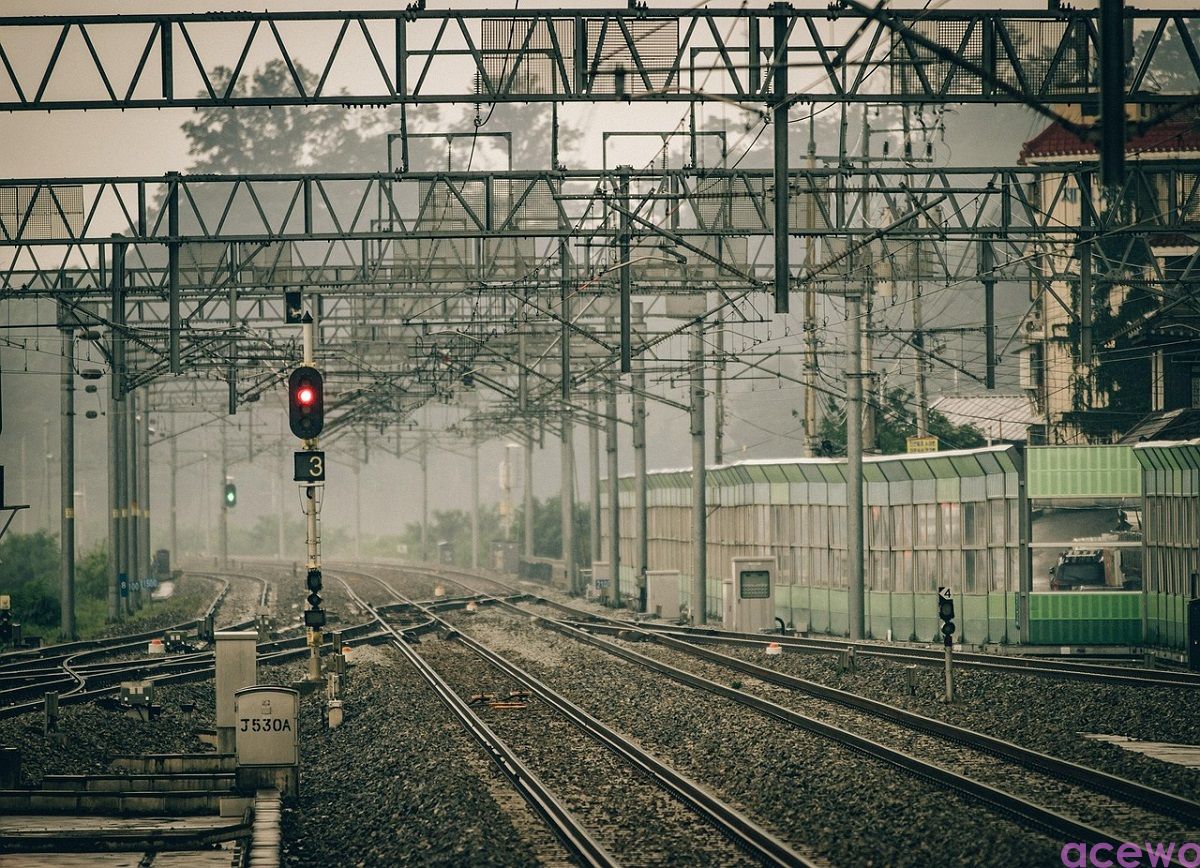
III. Industrial Telephones' Role in Securing Security Systems
Enhancing Response Speed
The critical function of security systems lies in rapidly responding to emergencies.
Industrial telephones, with their highly reliable communication capabilities, enable
security personnel to promptly receive alarm notifications, incident reports, or directives,
allowing swift action to minimize losses.
Ensuring Communication Stability
In many security environments, particularly industrial settings and public facilities,
traditional telephone systems may face limitations due to environmental factors.
The stability and interference resistance of industrial telephones effectively guarantee
uninterrupted communication, preventing signal dropouts or communication failures
during critical moments.
Enhancing Security Monitoring Capabilities
Industrial telephones can also integrate with security monitoring systems (such as
video surveillance and access control) to serve as the communication backbone
of the entire security infrastructure. By promptly receiving alerts from monitoring
systems via telephone, security personnel gain real-time situational awareness,
thereby elevating overall security preparedness.
Strengthening Employee Safety Management
In high-risk production sectors (e.g., chemical plants, mines), employee safety
management is paramount. Industrial telephones serve as communication tools
between on-site personnel and safety managers, enabling rapid contact during
incidents to provide rescue support and safeguard employee lives.
IV. Conclusion
As tools maintaining stable communication in harsh environments, industrial telephones
play an irreplaceable role in security applications. Their high reliability, durability,
interference resistance, and emergency call capabilities make them indispensable in
complex and high-risk scenarios. Whether deployed in industrial production sites,
transportation hubs, energy facilities, or urban surveillance systems, industrial telephones
provide robust communication assurance for security systems, ensuring rapid response
and safe handling during emergencies.
As security demands continue to rise, industrial telephones will persist in playing a vital
role within future security systems,driving the advancement and progress of security
technology.