

IP Broadcasting and Intercom System: Building a Plant-Wide Intelligent Emergency Communication and Daily Management Platform
 In industrial parks, manufacturing plants, and large integrated
facilities, achieving efficient and unified emergency command
and stable and reliable daily communication has become a
crucial issue in digital transformation. The IP broadcasting
and intercom system, based on an IP network architecture,
creates a comprehensive communication and command
system covering the entire area through layered deployment
and intelligent linkage.
I. System Design Principles: Planning First, Considering
Long-Term Development
During the design phase, the IP broadcasting and intercom
system follows the principle of "planning first, moderately
advanced," fully considering the enterprise's future expansion
and function upgrade needs. At the same time, combining the
usage scenarios of different areas, it adopts an implementation
plan that is "tailored to local conditions and comprehensively
considered," ensuring that the system meets current
applications and has the capacity for continuous expansion.
II. Technical Characteristics: Stable, Flexible, and Maintainable
As a new generation of digital communication systems, the IP
broadcasting and intercom system has significant advantages
at the technical level:
Fiber optic transmission architecture: Ensures high stability and
low latency of voice and broadcast signals
Modular design: Supports flexible function combinations,
facilitating future expansion and upgrades
Real-time fault alarm mechanism: Real-time monitoring of
equipment status, improving system operation and
maintenance efficiency
These technical characteristics provide a solid guarantee for
the long-term stable operation of the system.
III. System Architecture Composition: Layered Deployment,
Centralized Management
1. Core Control Layer
The core control layer is the "command center" of the entire
IP broadcasting and intercom system, mainly including:
Main control center server cluster
IP network monitoring speakers
Visualization console
Fire alarm system / telephone system linkage interface
Through centralized deployment, it achieves unified scheduling
and multi-system collaborative linkage.
2. Regional Subsystems
According to the actual needs of different functional areas, the
system deploys multiple types of terminal equipment:
Control room management terminals: Equipped with emergency
broadcast buttons, supporting rapid emergency broadcasting
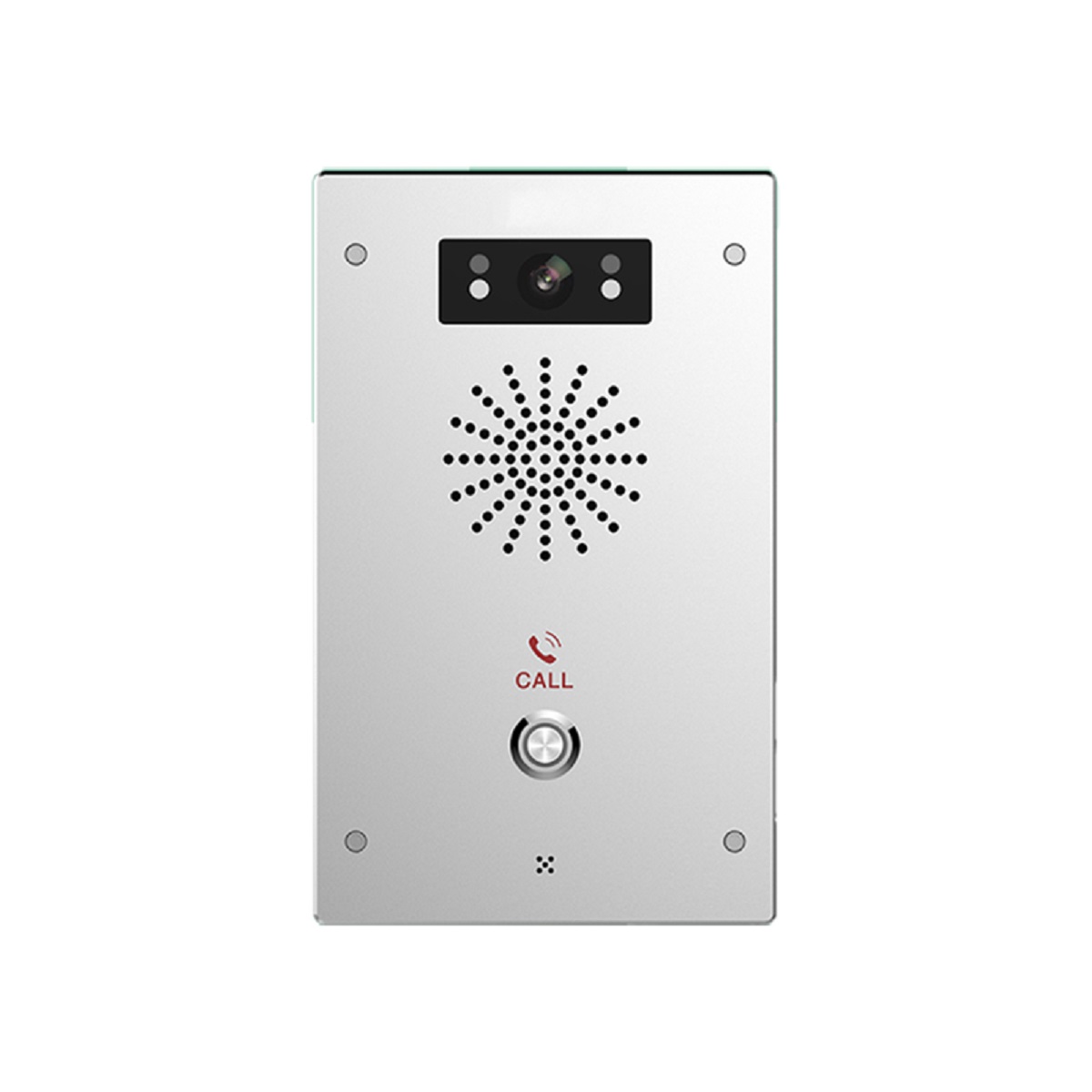
Workshop/warehouse explosion-proof terminals: Integrated
visual intercom and explosion-proof horns, suitable for high-risk
environments
Office areas: IP power amplifier + ceiling speakers, for daily
broadcasting and announcements
Public areas: High-power sound columns, with wide coverage
and clear sound
Gate areas: Independent zone sound columns, supporting
separate control
This partitioned deployment method balances unified
management and flexible control. IV. Core Function
Implementation: Integrated Emergency and Daily Operations
Emergency Command Functions
In the event of an emergency, the IP broadcasting and
intercom system can respond quickly:
One-button broadcasting to the entire area
Precise zone-based calling
Integration with fire protection, telephone, and other
systems for collaborative response
Daily Management Functions
The system also plays an important role in daily operations:
Scheduled file broadcasting
Real-time voice monitoring
Remote video intercom
This improves management efficiency and reduces manual
communication costs.
Next:Tunnel Emergency Telephone: One-Button Emergency Call, Safeguarding Tunnel Traffic Safety Return to List