

Digital IP Intercom System: Technical Advantages and Industry Applications
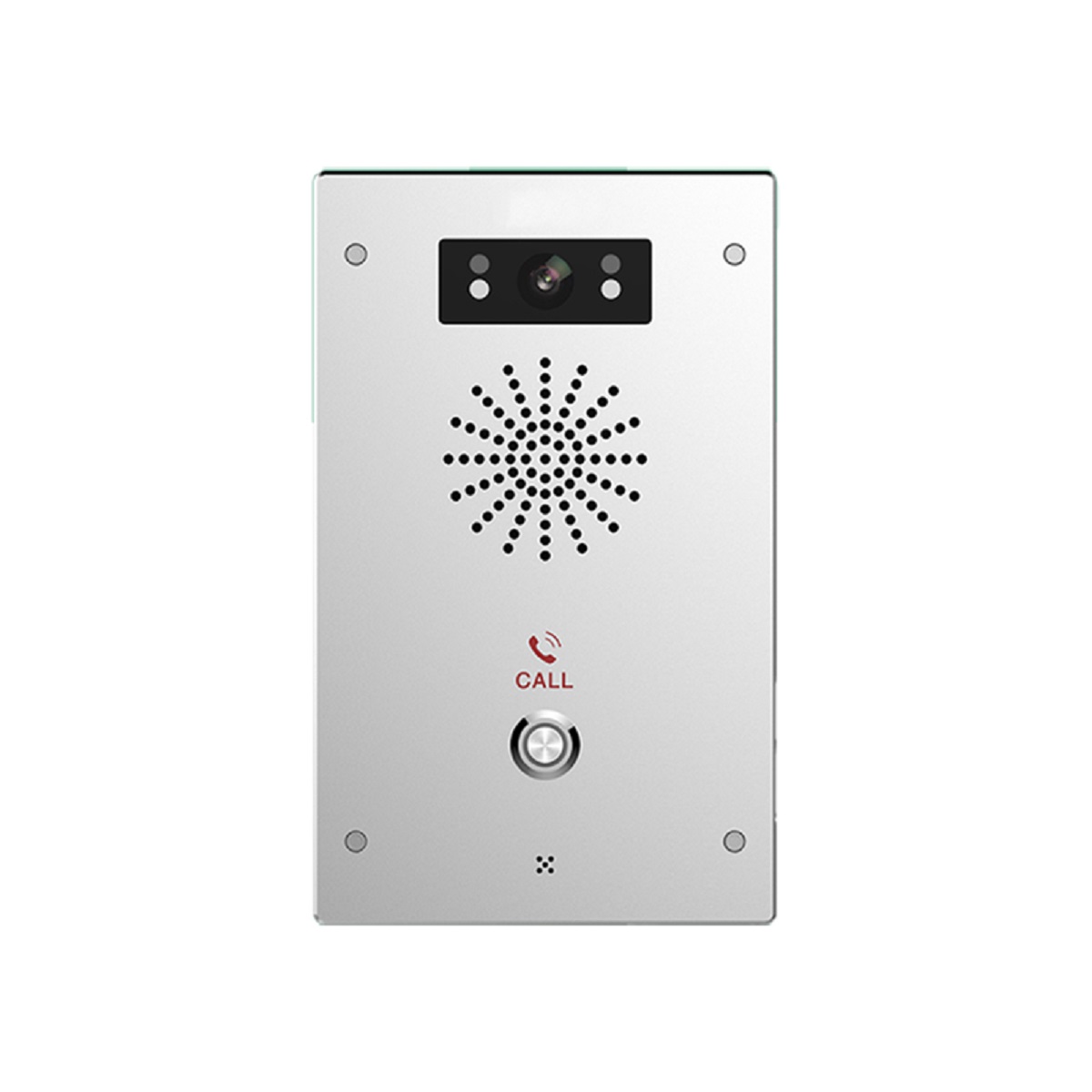
With the rapid development of smart cities and intelligent security systems, IP
intercom systems, as one of the core communication technologies, have
gradually become a key tool for public safety, industrial management,
and enterprise communication. The digital IP network two-way intercom voice
communication system (classic version), with its unique technical advantages
and powerful functional modules, is widely used in industries such as finance,
justice, and rail transit. This article will provide a detailed introduction to the
system's core technologies, functional features, and industry application solutions,
helping you gain a deeper understanding of the multiple values of this intelligent
communication system.
I. System Architecture and Technical Advantages
1. Digital Transmission Technology
The digital IP network two-way intercom system is based on the IP/TCP protocol,
achieving remote voice communication through audio data packet transmission.
The system supports networking in both local area network (LAN) and wide area
network (WAN) environments, greatly enhancing the system's flexibility and
scalability.
Embedded Processing Technology: Utilizing advanced embedded technology,
combined with a dual operating mode of Windows database and background
database, ensures system stability and virus resistance.
Core Server: The system's unique core server technology supports multi-network
integration (voice intercom, video surveillance, telephone communication, etc.).
This technology not only achieves seamless integration between different
communication systems but also improves resource utilization efficiency and
system response speed.
2. Networking Characteristics
Low Bandwidth Consumption: The system supports bandwidth consumption
as low as 32kbps per terminal, maintaining stable voice communication
quality even in low-bandwidth network environments.
Cross-Regional WAN Direct Connection: Whether in different areas of a city
or across regions for remote operation, the system can connect directly through
the wide area network, enabling real-time voice intercom between different areas.
Plug-and-Play: Terminal devices support plug-and-play, avoiding the complex
process of traditional systems requiring separate wiring, making system
deployment simpler and more efficient.
II. Core Functional Modules
1. Basic Communication Functions
The system provides three different call modes to meet the needs of different
usage scenarios:
Hands-free full-duplex calling: Echo cancellation technology ensures clear
and stable voice conversations, especially suitable for open office environments.
Headset calling: Suitable for noisy environments, such as factories and warehouses.
VOIP telephone interconnection: The system supports interconnection with
traditional VOIP telephone systems, providing a wider range of communication
access methods. Furthermore, the system's intelligent answering strategy allows
for automatic or manual answering, and customizable ringing time and functions
make operation more personalized and flexible.
2. Advanced Scheduling Functions
The system has built-in multiple scheduling functions, providing more powerful
management and control capabilities:
Multi-party calls: Supports conference mode (equal participation) and command
mode (master-slave control). Conference mode is suitable for communication
scenarios involving multiple participants, while command mode is suitable for
command and dispatch applications.
Multi-level priority: The system supports forced insertion, forced disconnection,
and waiting mechanisms. Administrators can intervene forcefully in emergency
situations to ensure that information transmission is not affected.
3. Extended Functions
In addition to basic voice call and scheduling functions, the system also has some
additional extended functions:
Environmental monitoring: The terminal has a built-in high-sensitivity microphone,
supporting real-time monitoring of ambient sound, which helps to increase security.
Linkage control: Through short-circuit interfaces, the system can trigger video
surveillance or alarm equipment, achieving more comprehensive security linkage
control.
Digital recording: The system can automatically store all call records, supporting
segmented management and retrieval functions, providing convenience for
subsequent security review and management.
III. Industry Application Solutions
1. Typical Scenarios
Financial security: In ATM machines, the IP intercom system can be used as an
emergency assistance device, ensuring that customers can quickly communicate
with staff in case of emergencies.
Judicial supervision: In prison cells, the IP intercom system provides effective
communication means for supervisory personnel, ensuring the security management
and emergency response capabilities of the prison.
Public safety: Rail transit systems utilize IP intercom equipment to provide emergency
communication services for passengers, ensuring that relevant departments can be
contacted quickly in the event of an emergency.
2. Customized Services
The system also provides customized services to meet the specific needs of different
users and industries:
Industrial-grade hardware design: The equipment supports stable operation within a
working temperature range of -30℃~70℃, suitable for various complex industrial
environments.
SDK development kit: Provides the SDK development kit required for system integration,
making it convenient for users to perform secondary development and functional
expansion according to actual needs.
Compatibility with traditional IP broadcasting systems: The system supports compatibility
with traditional IP broadcasting systems, making it easy for users to upgrade and expand.
The Digital IP Network Two-way Intercom Voice Communication System (Classic Edition),
with its superior technical advantages and rich functional features, has become an ideal
choice for communication systems in various industries and has demonstrated great
potential in multiple practical application scenarios. Whether in finance, law enforcement,
or public safety, the widespread adoption and application of IP intercom systems are
transforming communication across various industries, improving work efficiency and security.
With the continuous advancement of technology, IP intercom systems will continue to play
a crucial role in smart cities and security management.
Next:One-Click Alarm System: Safeguarding Campus Safety Return to List