

Explosion-Proof Telephones: Ensuring Safe Communication in High-Risk Environments

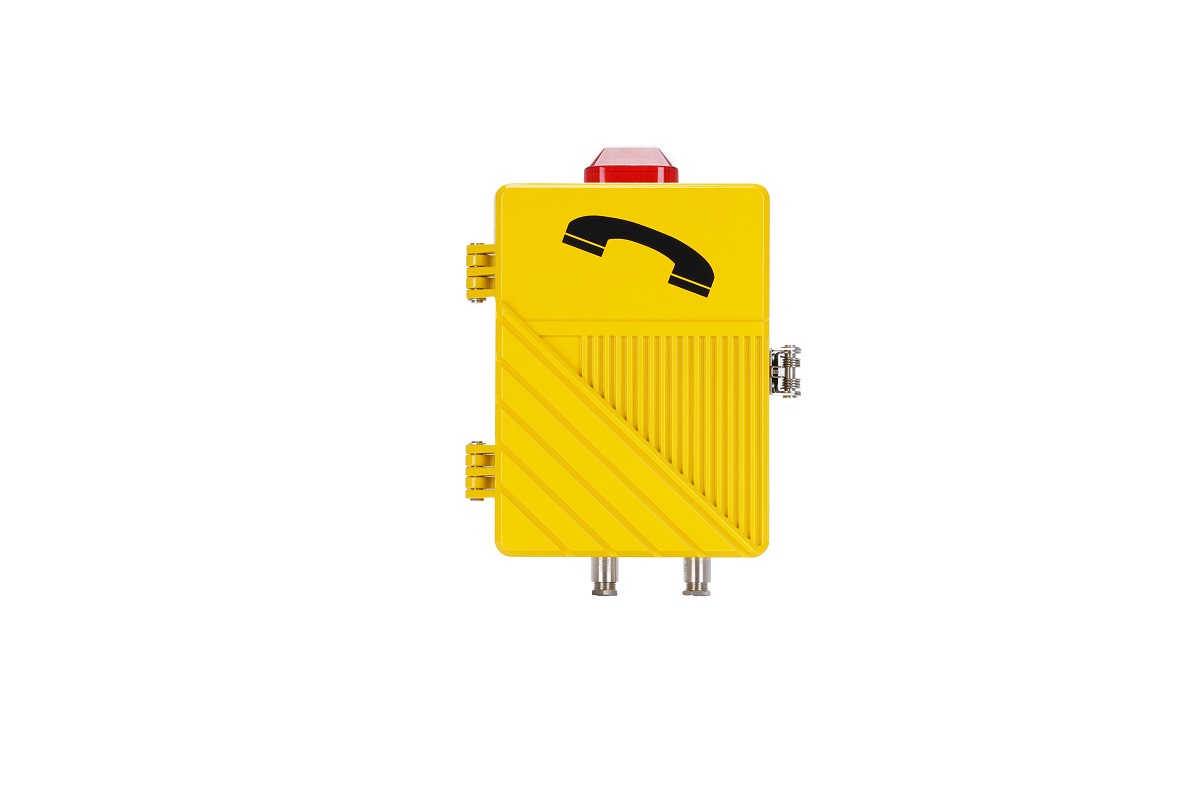
In high-risk industries such as oil, coal mining, and chemical
industries, production environments often involve risks such
as flammability, explosiveness, high dust levels, or toxic gases.
In the event of an emergency, the ability to achieve safe, stable,
and instantaneous communication between the site and the
control center is often directly related to personnel safety and
the efficiency of accident response.
It is in this application context that explosion-proof telephones
have become a core device in communication systems for
high-risk environments.
Explosion-Proof Telephones: Professional Communication
Terminals Designed for Hazardous Locations
Explosion-proof telephones are specifically designed for
flammable and explosive environments. The overall structure
and electrical design are centered around the core objective
of "safety and reliability."
The equipment typically uses a high-strength metal casing
with excellent impact resistance and sealing performance,
effectively preventing sparks, static electricity, or high
temperatures from affecting the internal circuitry.
At the same time, through reasonable protective circuit and
explosion-proof structural design, the equipment is ensured
not to become an ignition source in abnormal situations,
reducing safety hazards at the source.
In addition, explosion-proof telephones can operate stably
for extended periods in complex working conditions such
as high temperature, humidity, and dust, meeting the
stringent requirements for communication equipment in
high-risk environments.
Strict Explosion-Proof Structure and Safety Certification
Ensure Reliable Operation
For the usage specifications of high-risk industries,
explosion-proof telephones usually follow strict safety
standards during design and production, passing multiple
explosion-proof and protection tests to ensure the legal
and compliant use of the equipment in hazardous areas.
This verified explosion-proof structure makes the telephone
not only "usable," but more importantly, "safe and reliable to
use," providing stable and reliable communication assurance
for on-site personnel.
Oil and Petrochemical Industry
In areas such as refineries and oil and gas storage and
transportation stations, flammable gases are often
present in the air. Explosion-proof telephones can be
deployed in production areas, pipe racks, pump rooms,
and other locations, providing a safe means of communication
for inspection personnel and control centers, ensuring timely
transmission of production instructions.
Underground Coal Mines
Underground coal mine environments are enclosed, with high
dust and methane concentrations, requiring extremely high
safety standards for communication equipment.
Explosion-proof telephones can serve as fixed communication
terminals underground, helping personnel quickly contact the
surface command center in emergency situations, improving
emergency response efficiency. Chemical Plants and
Explosion-Proof Workshops
Chemical production processes involve a large number of
flammable and explosive materials. Explosion-proof telephones
are suitable for critical locations such as reaction zones,
storage areas, and explosion-proof workshops, providing
reliable communication support for daily production
communication and emergency response in case of
accidents.
In high-risk environments, the reliability of communication
equipment is crucial not only for production efficiency
but also for life safety. With their professional
explosion-proof design, stable communication performance,
and wide range of applications, explosion-proof telephones
have become indispensable communication equipment in
industries such as petroleum, coal mining, and chemical
manufacturing.
By scientifically deploying explosion-proof telephones,
a safe and stable communication network can be built for
high-risk areas, providing solid support for safe production
and emergency management.
Next:Embedded SIP Telephones: An Efficient Integration Solution for System-Level Communication Return to List