
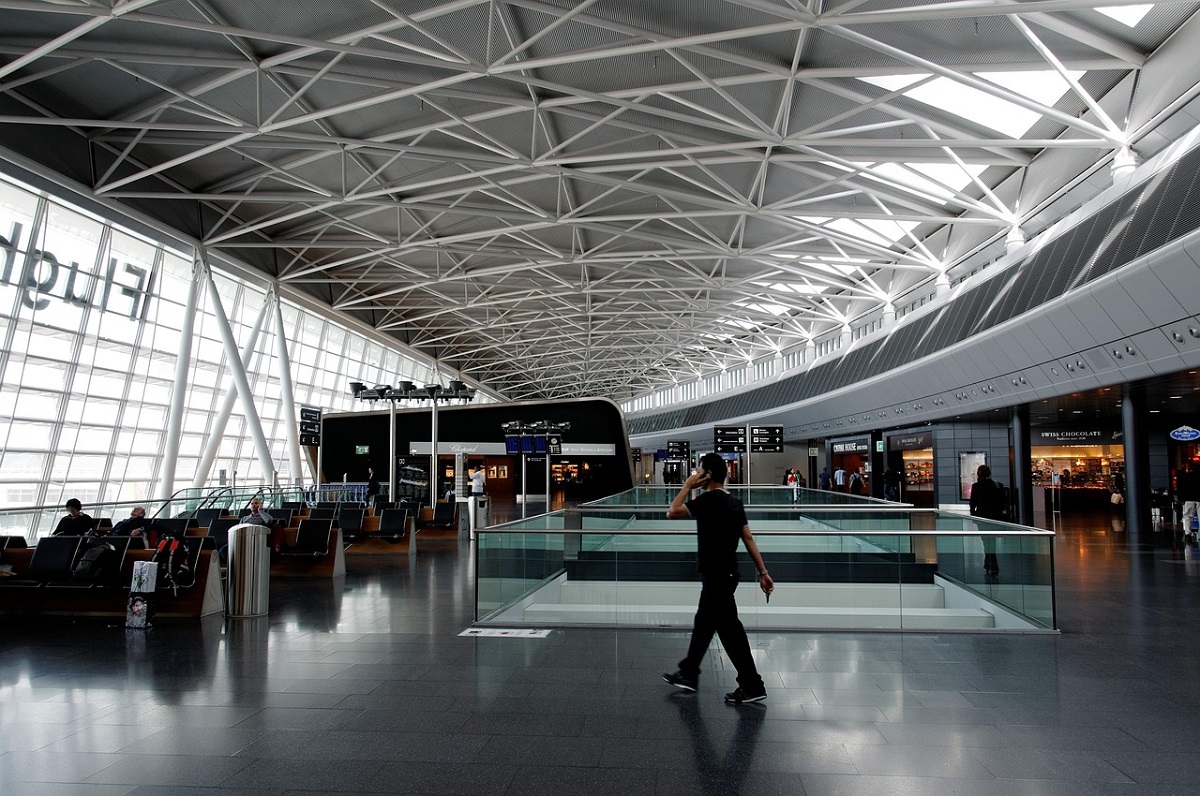
Emergency Telephones Use On Airport
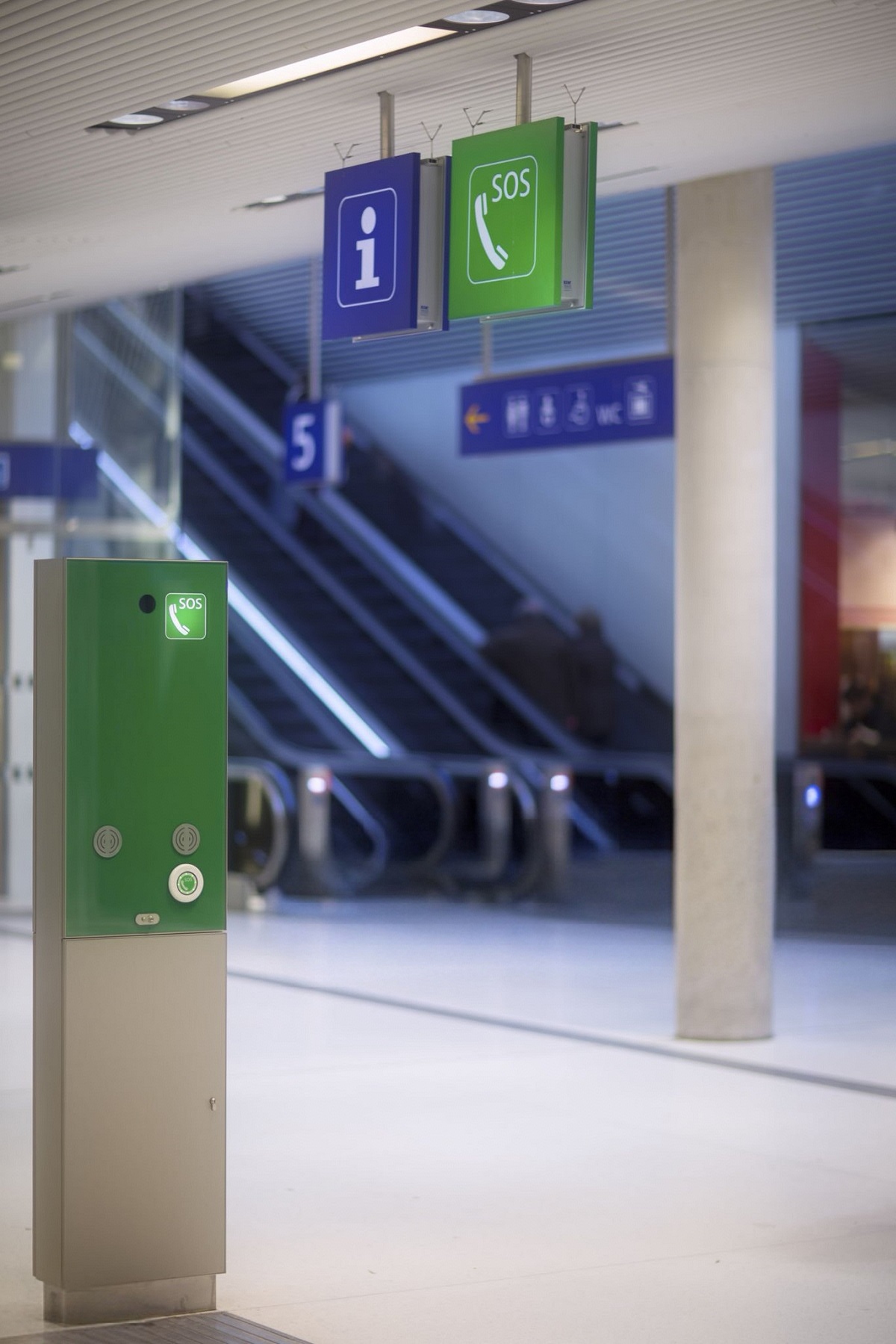
Emergency telephones connect to the airport's IP network, closed-circuit television
system, and fire alarm system to enable comprehensive emergency response.
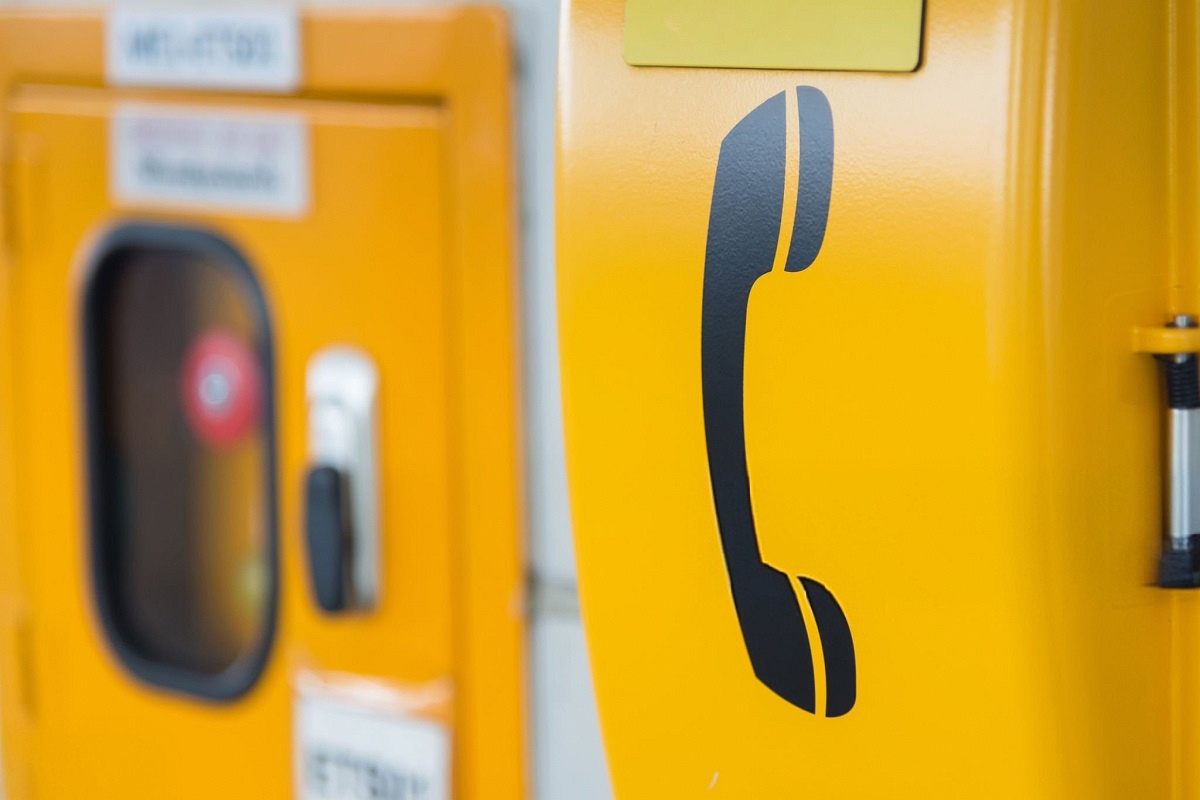
Emergency telephones often feature prominent telephone markings, with the
external SOS symbol clearly visible.
Indicator labels also help locate emergency explosion-proof telephones more easily.
Pay attention to airport signage or seek assistance from airport staff.
Passengers are prohibited from tampering with emergency telephones.
Do not make calls unless it is an emergency.
So where are emergency telephones required?
Hazardous Areas: Zones within airports containing flammable liquids (aviation fuel),
vapors, dust (baggage handling areas), or potential explosive threats (terrorism)
require specialized equipment.
Emergency Communication: Critical in fuel depots, maintenance hangars, cargo
zones, and other high-risk areas to enable immediate alerts.
For airport emergencies (medical, crime, fire), immediately dial 911 (within the U.S.)
or locate a dedicated **emergency call box** or information/service desk; these
calls connect to airport police/fire and the Emergency Command Center (ECC)
for rapid response to urgent incidents.
For non-emergencies, contact airlines or airport customer service through other
channels.
Assistance Guide
Emergency Hazards (Medical, Crime, Fire):
Dial 911: Most major U.S. airports utilize the 911 emergency system, connecting
directly to airport police and fire departments.
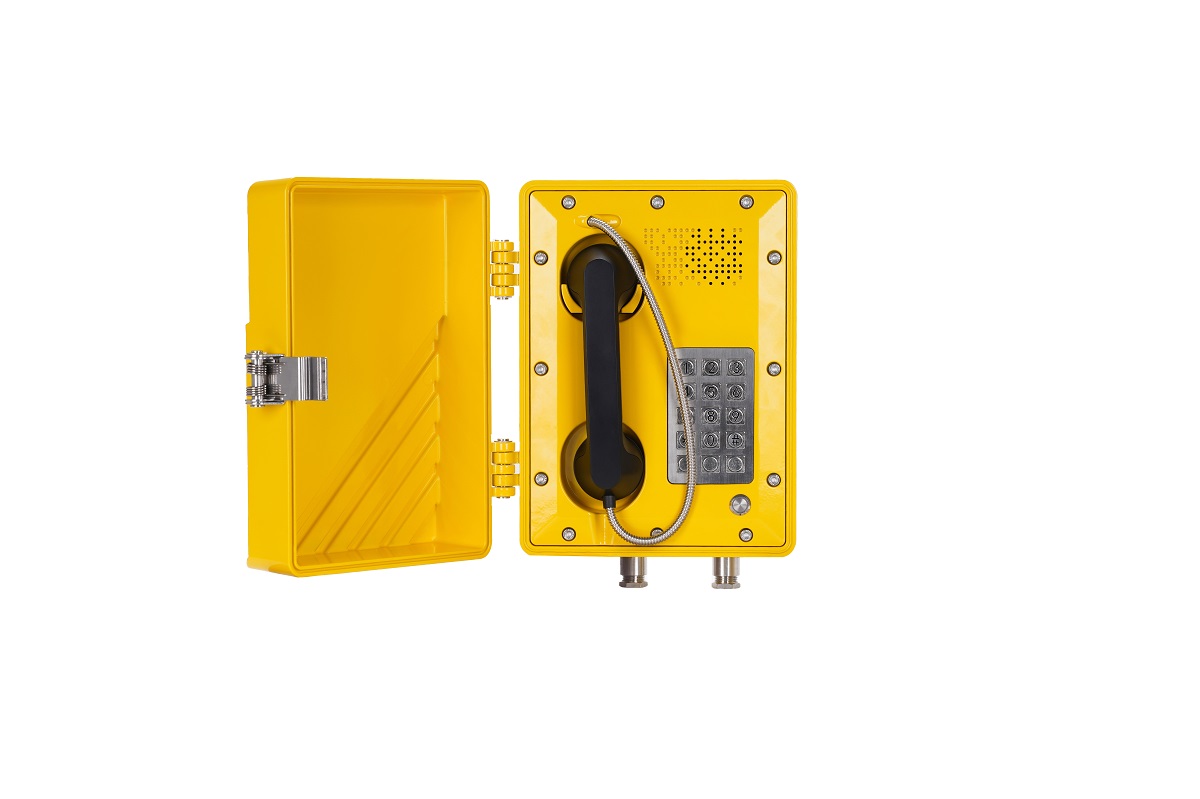
Emergency Call Boxes: Locate blue or red telephones in terminals, boarding
bridges, or tarmacs—typically providing direct access to airport security/
emergency services.
For Non-Emergencies & General Info:
Airport Information Desks: Staff can direct you to help or contact relevant
departments.
Airport Police Non-Emergency Line: Check the airport's website for their
non-emergency number if needed.
Airline Customer Service: For issues with your flight, baggage, or boarding pass.
Next:How To Provide Communication Support For High-Risk Environments? Return to List