
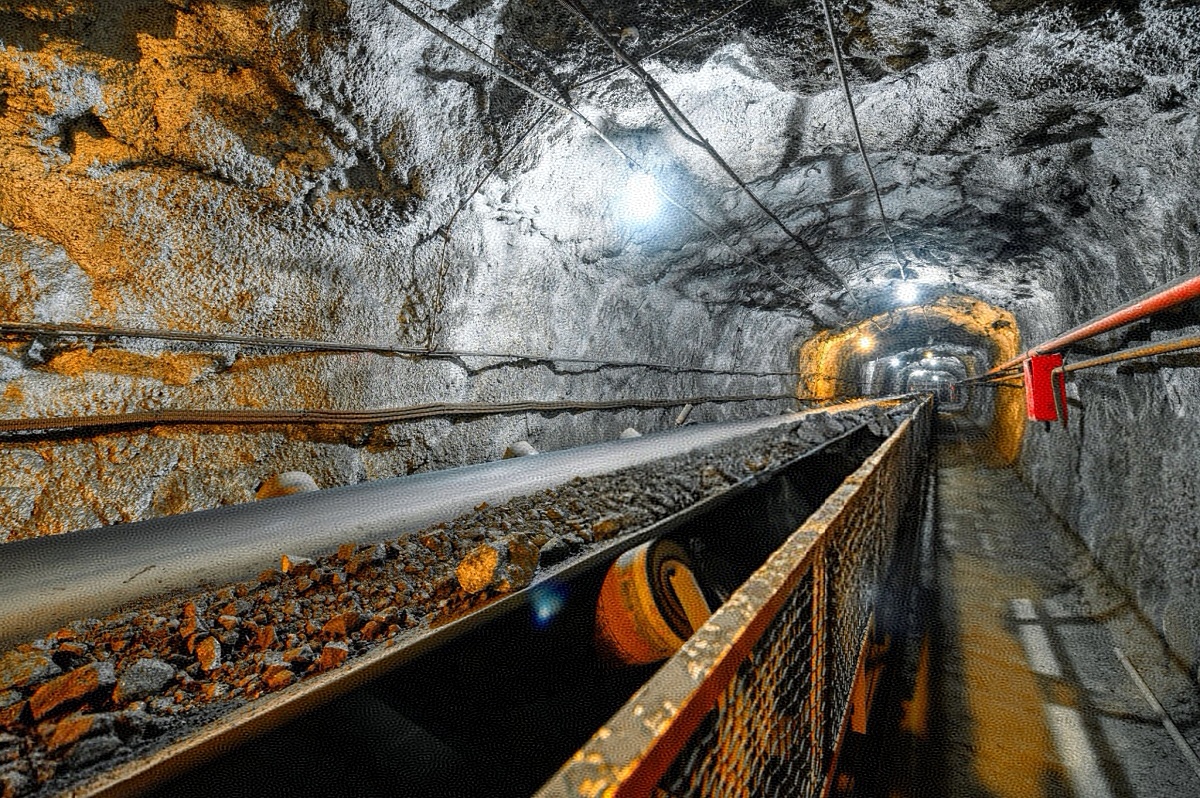
Detailed Explanation of Highway Tunnel Structure and Safety Facilities: How Tunnel Emergency Rescue Telephones Protect the Lifeline
 Detailed Explanation of Highway Tunnel Structure and Safety
Facilities: How Tunnel Emergency Rescue Telephones Protect
the Lifeline
Highway tunnels, as important transportation infrastructure,
play a crucial role in traversing complex terrain, improving
traffic efficiency, and ensuring continuous traffic flow.
However, the enclosed space, limited lighting, and unique
escape conditions of tunnels make rescue operations far
more difficult than on ordinary roads in the event of an
accident. Therefore, a well-designed tunnel structure and
emergency safety facilities, especially the tunnel emergency
rescue telephone system, are crucial for ensuring safe tunnel
operation.
I. Basic Functions and Scale Characteristics of Highway
Tunnels
Highway tunnels are mainly constructed in mountainous
or complex terrain areas, and their core functions include:
Overcoming topographical obstacles
Shortening driving distance
Improving traffic efficiency
In actual engineering projects, many highway tunnels are
quite long, for example:
Guosui No. 1 Tunnel: 2605 meters long
Hongshui River No. 1 Tunnel: 795 meters long
The longer the tunnel, the higher the risk of accidents and
the greater the difficulty of emergency response, requiring
stricter requirements for communication, evacuation, and
rescue facilities.
II. Main Structure Design: Reserving Lifelines for Emergency
Evacuation
1. Vehicular Cross-Passage System
Setting Standard: Must be configured in tunnels 1 kilometer
or longer
Functional Positioning: Emergency diversion channel for
vehicles and personnel
Distribution Pattern: The longer the tunnel, the more
vehicular cross-passages
Vehicular cross-passages provide critical access for
emergency rescue vehicles and trapped personnel
in the event of fire or major accidents.
2. Pedestrian Cross-Passage System
Setting Standard: Must be configured in tunnels 500
meters or longer
Functional Positioning: Dedicated emergency
evacuation channel for personnel
Spatial Distribution:
Alternating with vehicular cross-passages
Spacing is usually 200-300 meters
Pedestrian cross-passages are important exits for
personnel escaping from the tunnel and work effectively
in conjunction with the emergency communication system.
3. Auxiliary Channel Design
Double-sided maintenance access roads:
Daily inspection
Dual purpose for emergency evacuation
Emergency parking bays:
Configured in conjunction with vehicular cross-passages
Providing a safe space for disabled and accident vehicles
III. Emergency Facility Configuration: Communication is
the First Line of Rescue
1. Communication System: Tunnel Emergency Rescue
Telephones are Indispensable
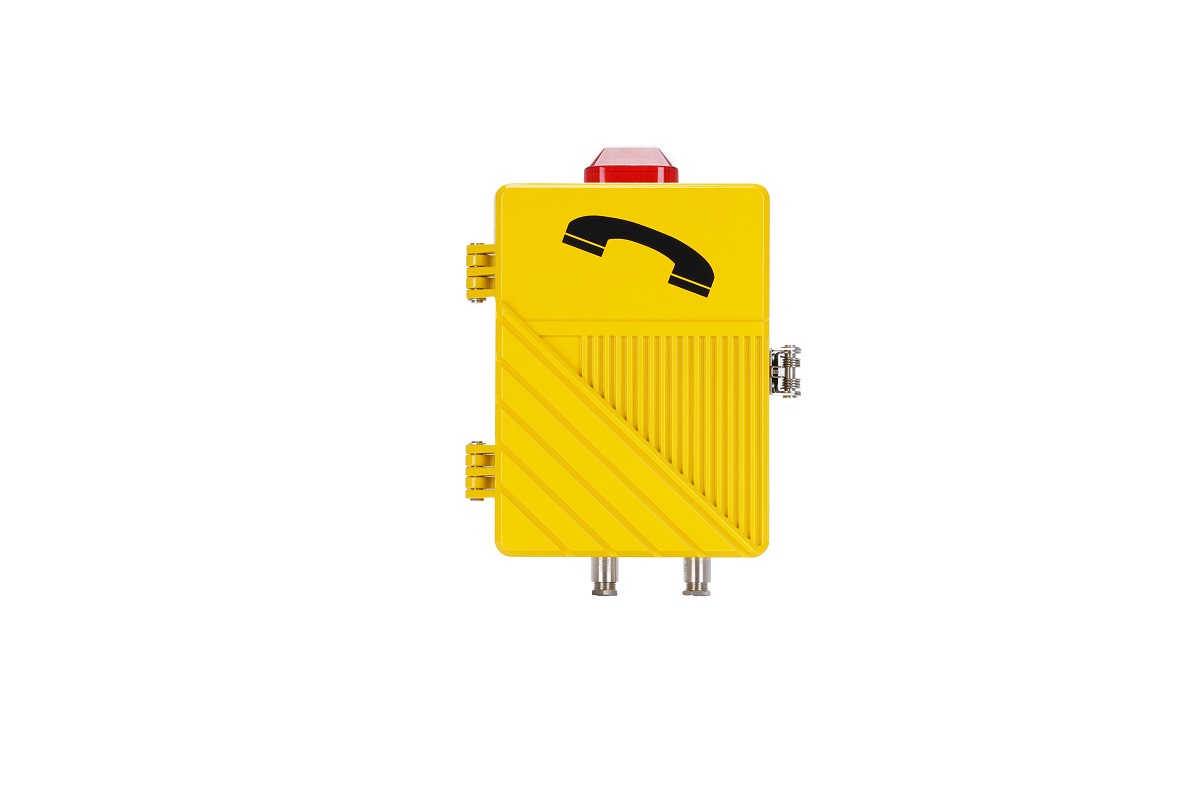
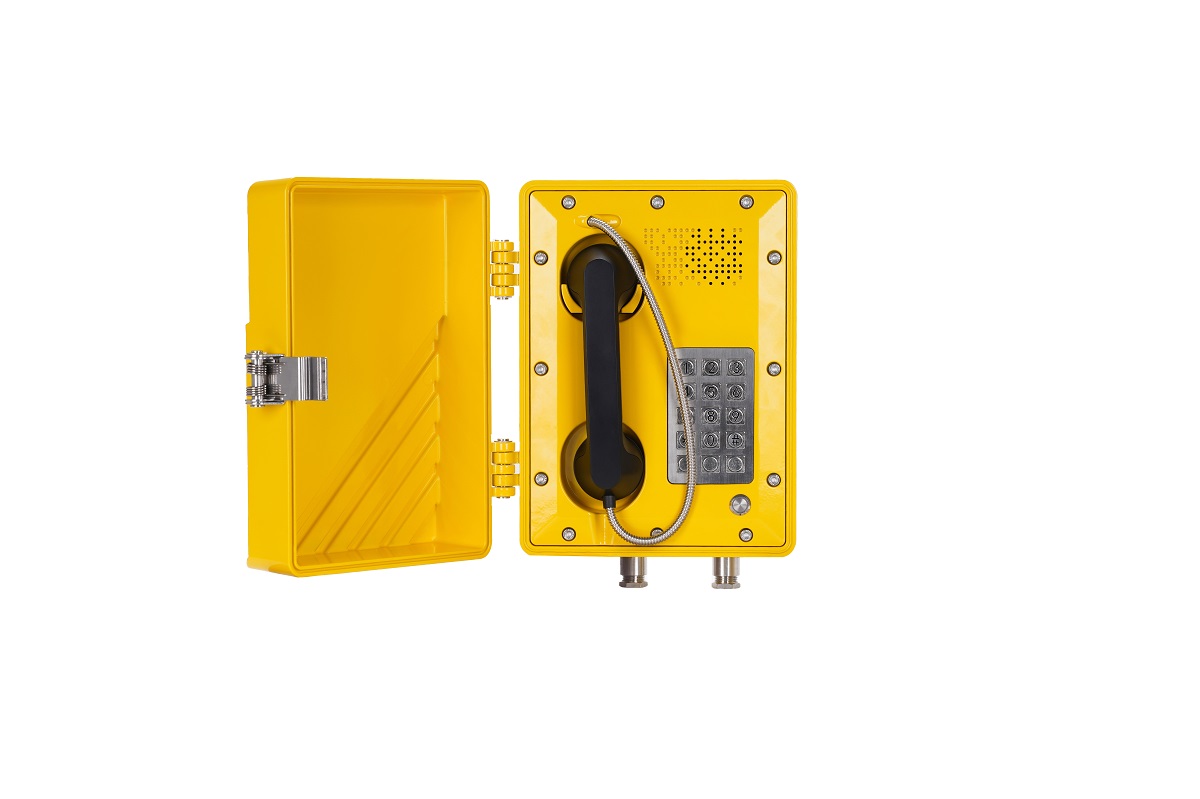
In the tunnel emergency system, tunnel emergency
rescue telephones are the "first point of contact"
after an accident. Deployment Method:
Emergency telephone + emergency broadcast
combination setup
One unit installed every 200 meters on the right side
of the driving direction
Core Functions:
Two-way communication: On-site personnel can call
the monitoring center with a single button.
Remote broadcasting: The monitoring center can
issue real-time instructions via broadcast.
In case of rear-end collisions, fires, or vehicle
breakdowns, the tunnel emergency rescue telephone
can establish communication in the shortest possible
time, preventing personnel from acting blindly.
2. Fire Fighting System: Rapid response to initial fires
Configuration Standard:
Fire boxes installed every 50 meters on the right side
of the tunnel
Fire box contents:
Fire hydrant
Fire extinguisher
Water mist system
Clear operating instructions:
Connect the fire hose
Open the valve
Aim at the fire source to extinguish the fire
Used in conjunction with the tunnel emergency rescue
telephone, it allows for simultaneous alarm and
on-site self-rescue.
IV. Accident Handling and Escape Guidance:
Communication and guidance are key
1. Standard Procedure for Rear-End Collisions
in Tunnels
Set up traffic cones to warn following vehicles
Personnel quickly evacuate to a safe area
Report the incident via the tunnel emergency
rescue telephone
Wait for professional rescue
2. Emergency Contact Information
Fire alarm: 119
Highway rescue: 12122 / 96333
In the tunnel, prioritize using the tunnel
emergency rescue telephone, which connects
directly to the tunnel monitoring center for
faster and more accurate rescue response.
3. Correct Escape Route
Evacuate via the maintenance access road
Enter the nearest cross-passage
Evacuate against the wind direction to avoid
smoke inhalation
Next:Tunnel Rescue Telephone Return to List