

Railway Tunnel Emergency Communication Telephones: The "Lifeline" in a 17-Kilometer Tunnel
Railway tunnels are among the most enclosed and complex
spaces during train operation. In the event of an emergency,
reliable communication is often directly related to train safety
and the safety of personnel. A late-night emergency
communication repair in the Huangyan Tunnel of the
Huaihua-Hengyang Railway on January 25th once again
highlighted the crucial value of railway tunnel emergency
communication telephones.
Extra-long railway tunnels demand higher requirements
for emergency communication.
The Huangyan Tunnel of the Huaihua-Hengyang Railway
is 17,030 meters long, one of the longest railway tunnels
in Central China. The enclosed space and complex
environment within the tunnel lead to rapid signal
attenuation and significant difficulties in construction and
maintenance.
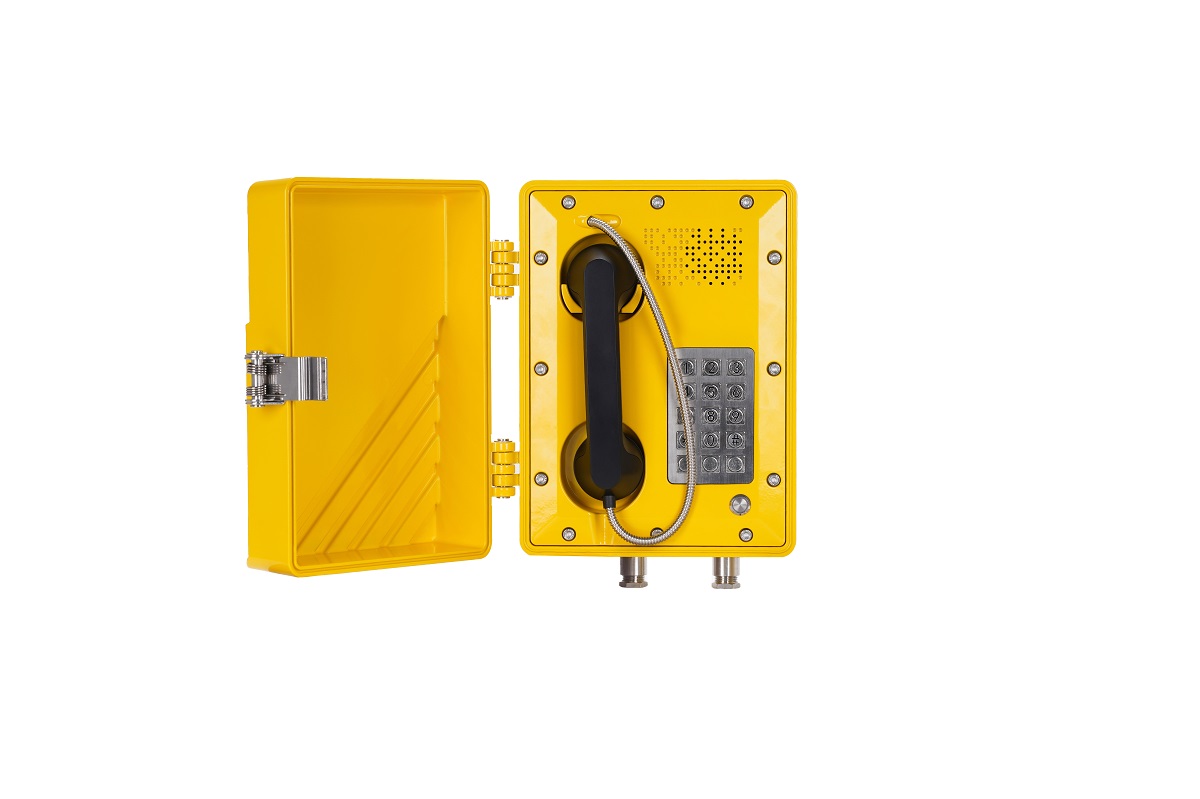
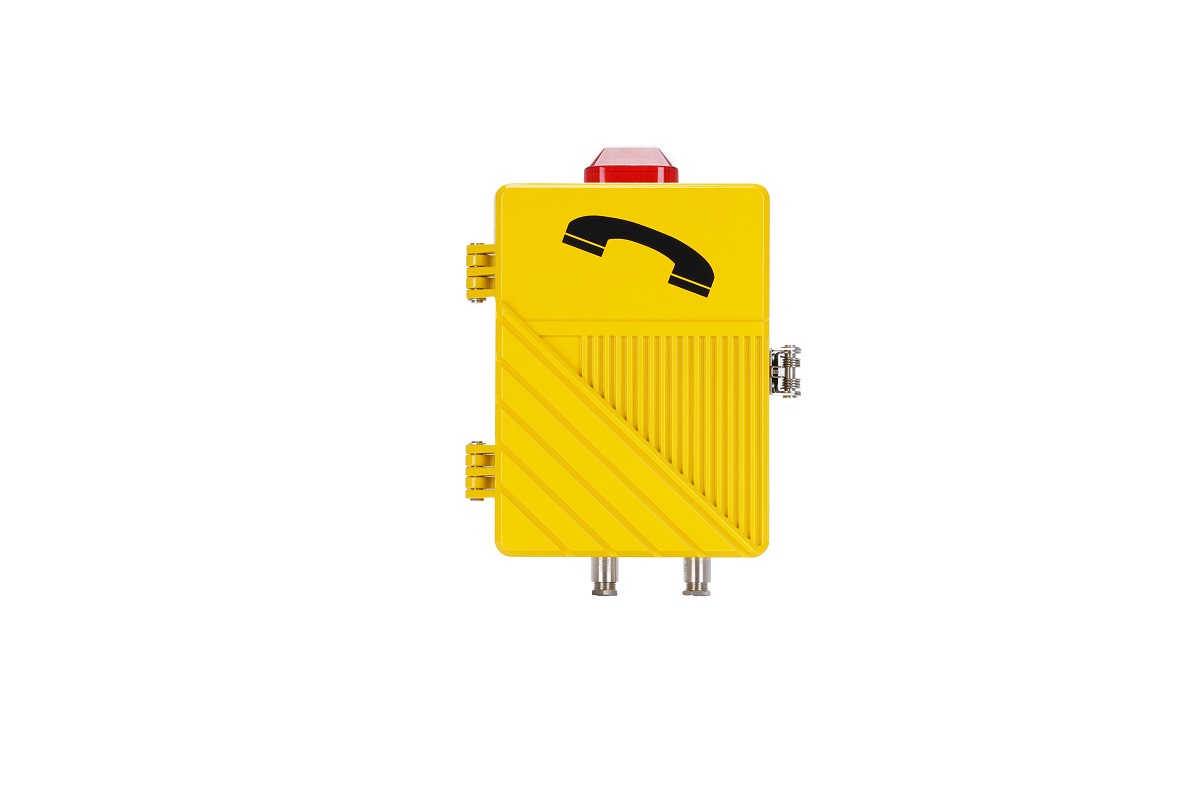
To ensure safe operation, 72 emergency communication
extensions are evenly distributed throughout the tunnel,
forming an emergency communication network covering
the entire tunnel. These devices provide immediate voice
communication between on-site personnel and the control
center in emergency situations such as train malfunctions,
fires, and trapped personnel, serving as an irreplaceable
"rescue hotline" within the tunnel.
Late-night repairs to safeguard the communication "lifeline"
On the night of January 25th, railway communication
maintenance personnel Liu Hao and his colleagues received
an emergency assignment. They set off from the foot of
Xuefeng Mountain and walked for 40 minutes into the depths
of the tunnel to repair the faulty emergency communication
equipment.
Inside the tunnel, the lighting was insufficient, and the
equipment cabinets were cramped. The maintenance
personnel, wearing orange work clothes and headlamps,
checked the lines and terminal status one by one in front
of the equipment. After continuous work, the emergency
communication telephones were restored to normal
operation, and the communication "lifeline" in the tunnel
was once again open.
This repair was not only a piece of equipment maintenance
work but also demonstrated the important role of the railway
emergency communication system at critical moments.
Railway tunnel emergency communication telephones:
The first call at a critical moment
In the railway tunnel environment, ordinary mobile
communication is difficult to maintain stable coverage.
In emergency situations, emergency communication
telephones often become the only reliable means of
communication, and their role is primarily reflected
in the following aspects:
Rapid alerting: On-site personnel can connect directly
to the dispatch center or emergency command
department immediately.
Precise positioning: The accident location can be
quickly identified through the extension number.
Stable and reliable: Wired or dedicated network
transmission ensures strong anti-interference
capabilities.
All-weather protection: Adaptable to complex
environments such as humidity, dust, and vibration
in tunnels.
It is these seemingly "ordinary" telephone devices
that bear the crucial responsibility of ensuring life
safety at critical moments.
The emergency communication system is an
important part of the railway safety system.
Railway safety is not the function of a single device,
but a system engineering. As an important link in the
railway tunnel safety system, emergency communication
telephones operate in conjunction with signaling,
power supply, and fire protection systems to build a
multi-layered safety protection network.
From daily inspections to late-night repairs, from stable
equipment operation to reliable response in emergencies,
emergency communication telephones silently safeguard
every train passage in the tunnel.
Next:Explosion-Proof Telephones: The Core Communication Guarantee for Tunnel Emergency Telephone Systems Return to List